
What's Actually Changing in Pakistan's Interior Design Industry
Fewer separate consultants, less ornamental excess, more accountability for the finished result. Here's what we're genuinely seeing shift in how homeowners in Lahore and beyond are choosing to build.
By SA Designs & Associates
We've been designing homes in Lahore since 2016, which is long enough to notice what's actually changing versus what just looks like change in a mood board. A few real shifts stand out — not trend-report buzzwords, but genuine changes in what clients are asking for and why.
One studio, not four separate consultants
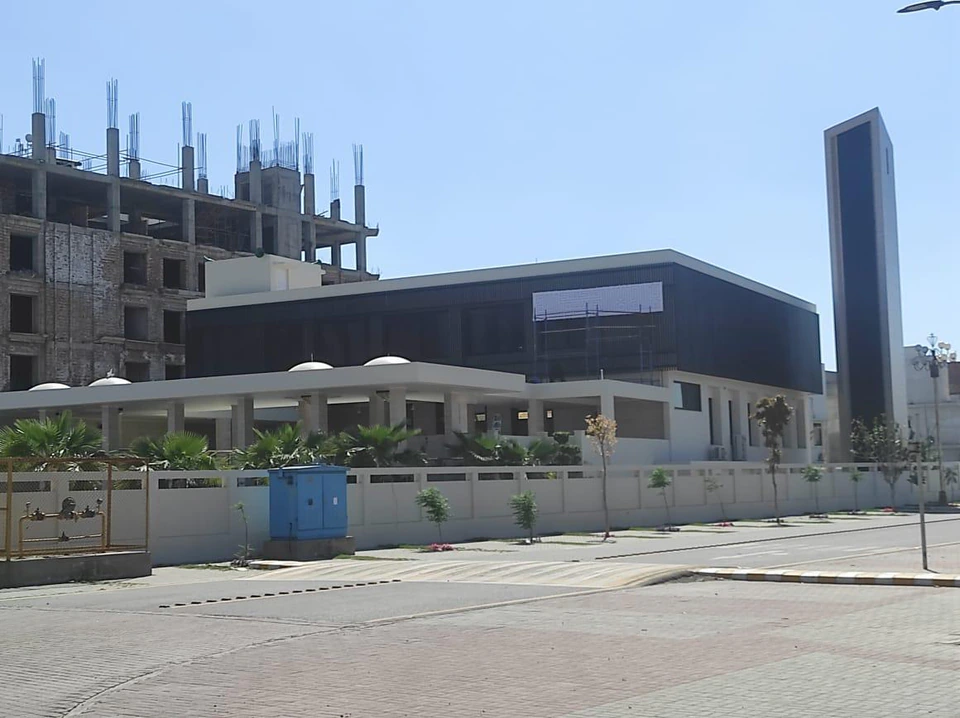
The old model — an architect for the shell, a separate interior decorator for the finishes, a third party for construction, coordinated (or not) by the client themselves — is losing ground. Clients have felt the cost of that gap firsthand: a facade that doesn't talk to the interior it wraps, a beautiful room that the site team executed differently than drawn. The shift is toward one accountable team carrying a project from the first sketch to the last cushion, precisely because it removes the seams where quality used to leak out.
Warm minimalism replacing ornamental excess
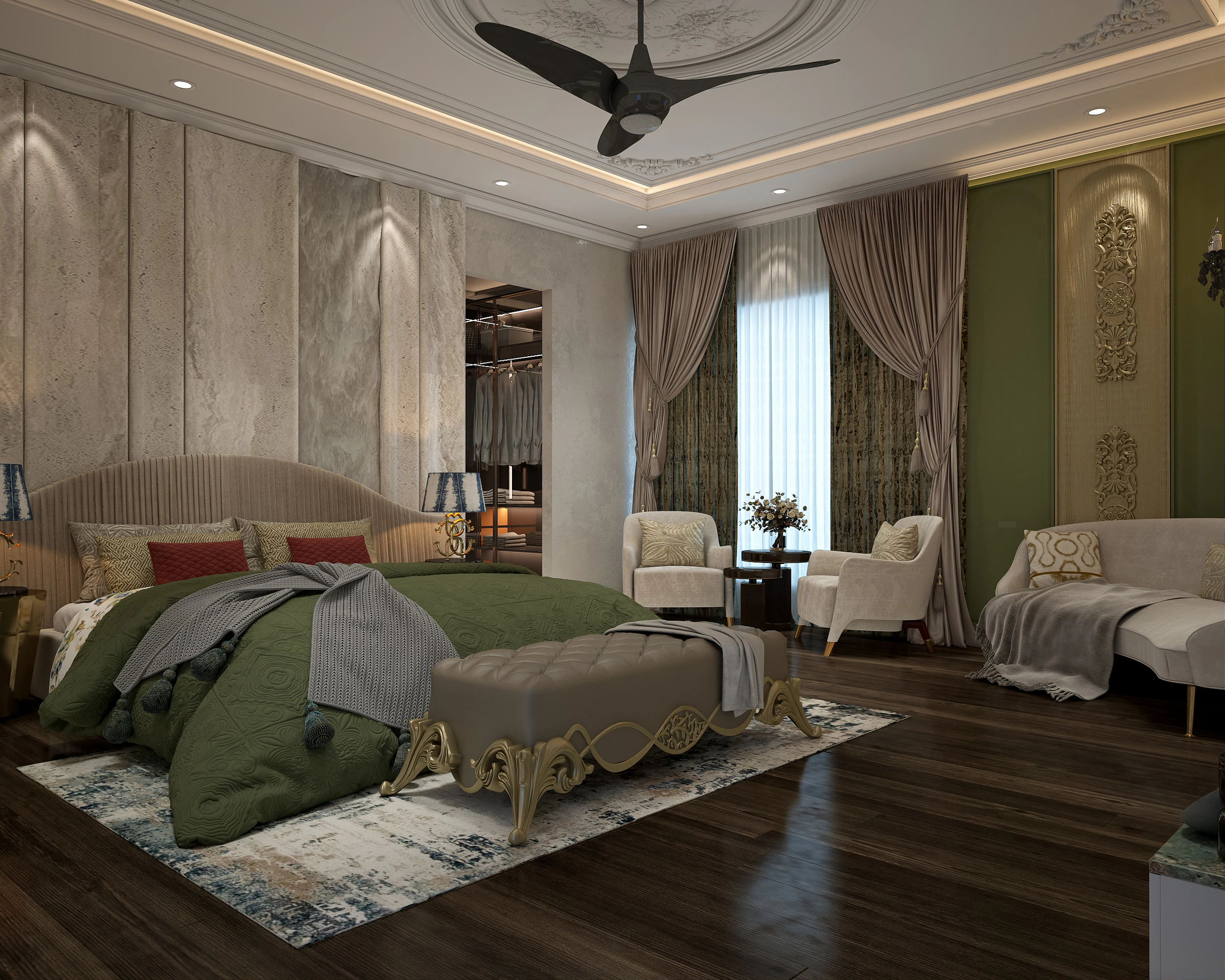
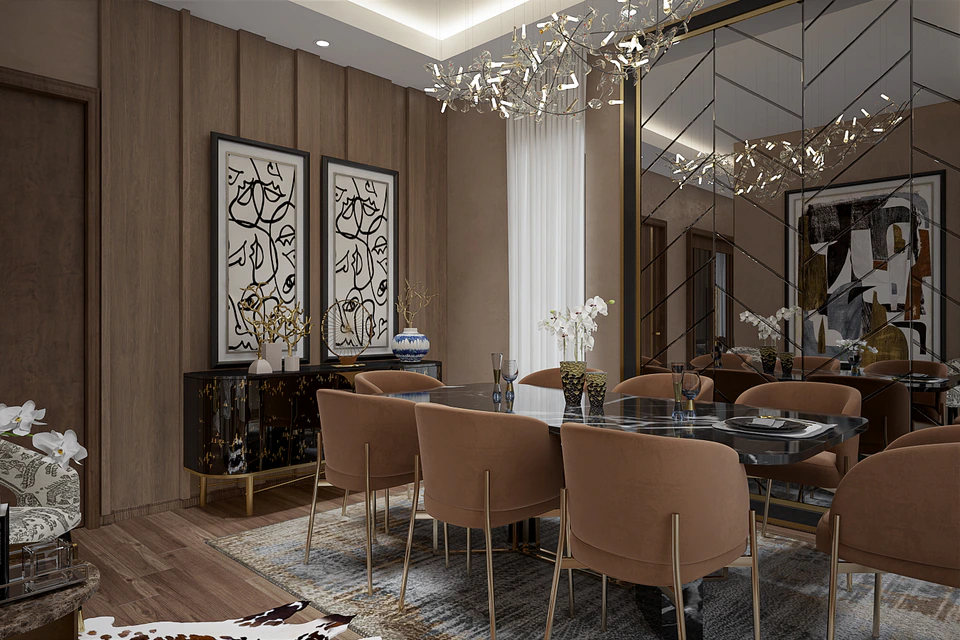
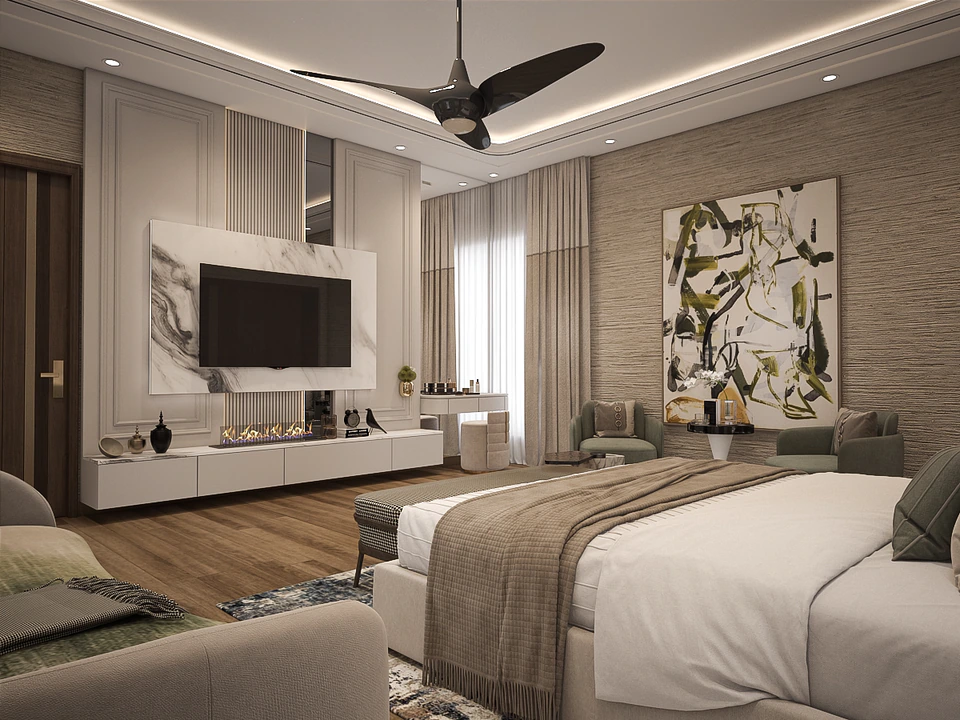
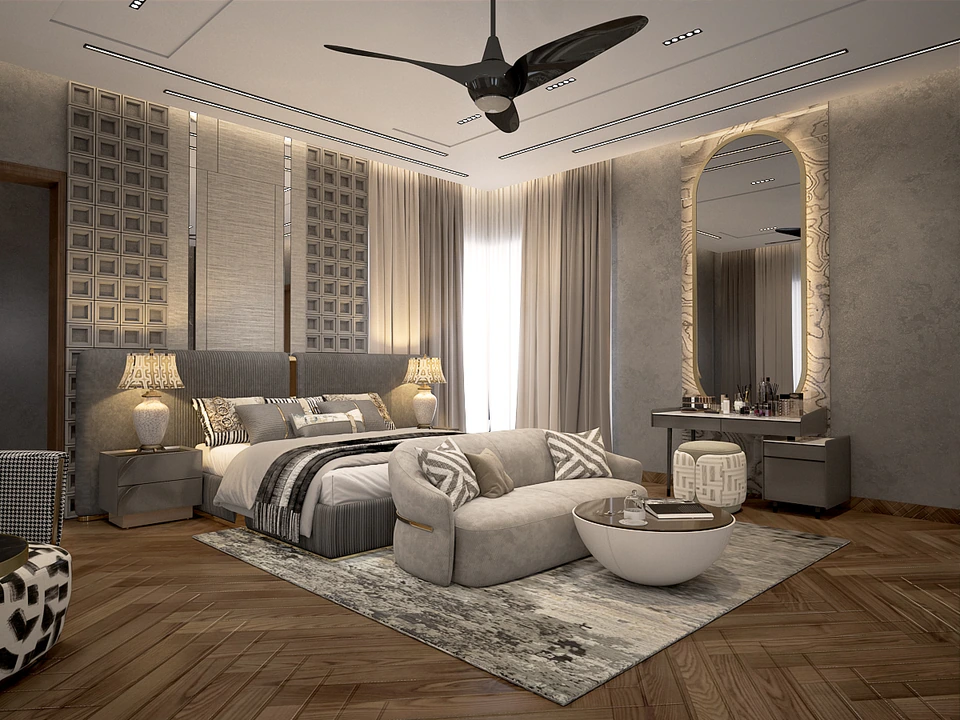
Heavy ornamentation — dense moulding, maximalist detailing for its own sake — is giving way to something quieter: warm neutrals, natural stone and timber, and restraint used deliberately rather than as a budget compromise. The homes that photograph as timeless five years later are almost never the most decorated ones; they're the most edited. Clients are increasingly asking for that editing up front, not learning it the hard way after moving in.
Luxury has quietly redefined itself here — less about how much is in a room, and more about how considered what remains actually is.
Construction bundled into the design relationship
A growing number of clients don't want to hand their approved drawings to a separate contractor and hope the execution matches the intent. Having a construction arm inside the same studio that designed the space — same standards, same accountability, one point of contact from excavation to handover — has gone from a nice-to-have to something clients actively ask about before signing anything.
Designing for overseas clients, remotely
A meaningful share of new enquiries now come from overseas Pakistanis building or renovating a home back home without being able to visit the site regularly. Virtual, remote-led design — real design work, not a lesser version of it — has moved from a niche accommodation to a genuine, standing service line, delivered with the same rigor as an in-person project.
Smart systems, applied selectively
Home automation and smart-building systems are appearing in more residential and corporate briefs — but the trend worth noting isn't "more tech everywhere." It's clients asking for smart systems to be specified selectively and integrated into the design from the start (wiring, panel placement, control logic), rather than bolted on afterward as a retrofit that never quite works as smoothly as it should.
None of this is about chasing what's fashionable this year. It's about what's actually holding up as Pakistan's interior design clients get more experienced, more design-literate, and more willing to ask hard questions before committing. The studios that keep up are the ones building around those questions — which is exactly how we've approached every interior design project since day one.
Work with us
Have a space you’d like to transform?
We take on a select number of residential and commercial projects each year. Let’s talk about yours.
Start a project