
The Convergence of Wellness and Technology: Redefining Interior Architecture in 2026
In the years following the pandemic, the meaning of home and workspace changed forever.
Living rooms became offices. Bedrooms doubled as quiet retreats. Workplaces evolved into collaboration hubs rather than rows of desks. People became more conscious of air quality, sunlight, noise, and the emotional impact of the spaces they inhabit every day.
At the same time, technology quietly stepped in—automating lighting, optimizing energy use, and connecting everything from thermostats to security systems.
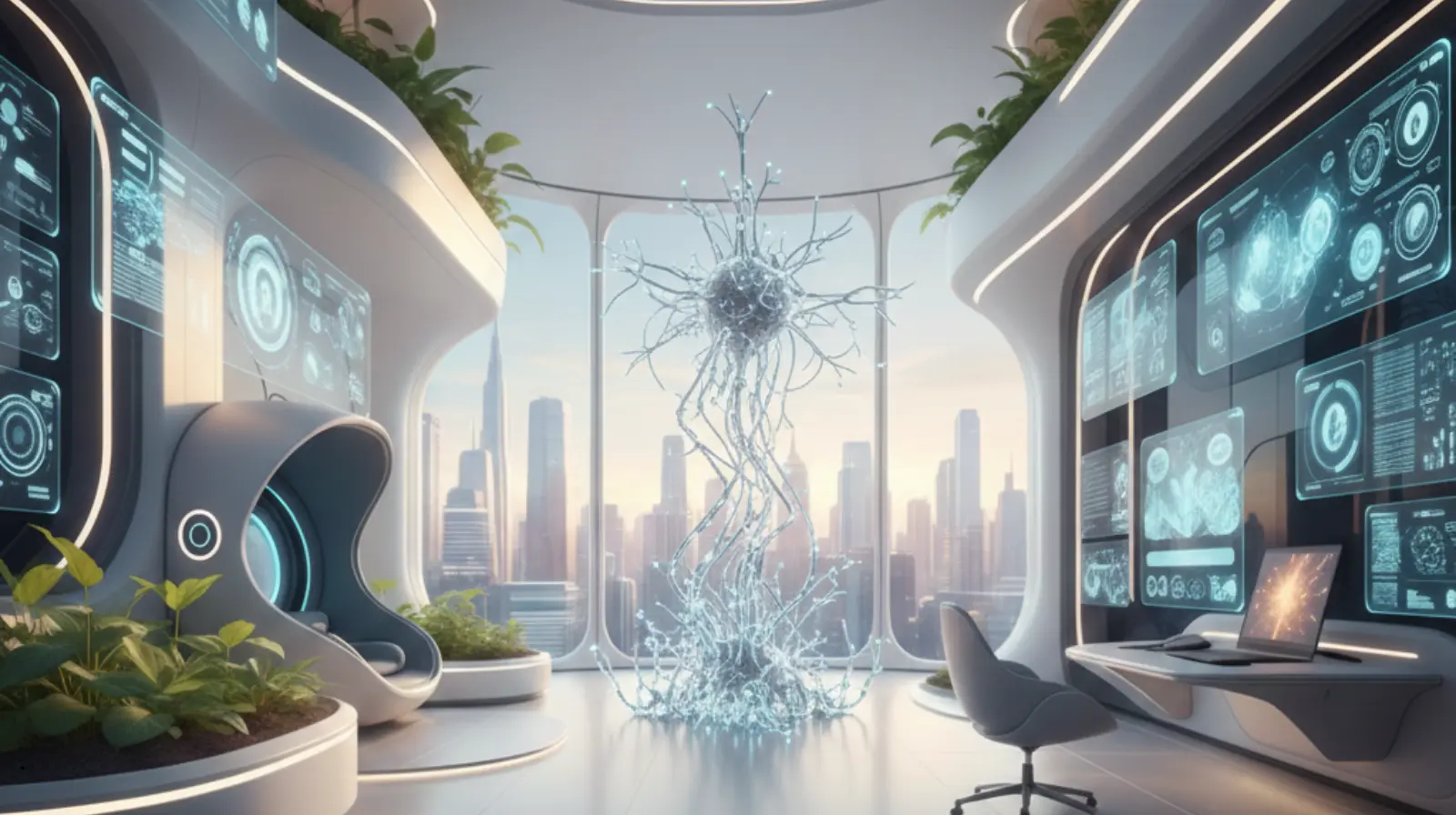
Today, in 2026, these two forces—wellness and technology—are no longer separate trends. They are converging to redefine the future of interior architecture.
At SA Designs and Associates, this convergence is not just an idea. It is the foundation of how we design homes, offices, and commercial spaces across Lahore, Pakistan, and the Middle East.
We believe the most successful interiors are not only beautiful—they are intelligent, healthy, and deeply human.
This is the future of wellness architecture and smart interiors.
Introduction: A New Way of Living
Homeowners today want more than aesthetics. They want:
- Better sleep
- Cleaner air
- Lower energy bills
- Spaces that reduce stress
- Seamless smart living
Corporate clients want workplaces that improve productivity and attract talent. Developers want future-ready properties that stand out in a competitive market.
The answer lies in the convergence of wellness and technology—a design philosophy that blends health-centered architecture with intelligent systems.
This shift is shaping the most important interior architecture trends 2026 has to offer—and it is redefining what premium interior design means.
What is Wellness-Focused Interior Architecture?
Wellness architecture places human health and comfort at the center of design decisions. Instead of asking, “What looks good?” we ask, “How will this space make people feel and function?”
Key Elements of Wellness Architecture
1. Biophilic Design
Humans naturally respond to nature. Incorporating greenery, natural materials, and organic forms can significantly reduce stress.
Examples:
- Indoor gardens
- Living walls
- Stone, wood, and clay finishes
- Courtyard-style layouts
Biophilic design creates calm, restorative spaces that feel alive.
2. Natural Light Optimization
Daylight is one of the most powerful wellness tools.
- Large windows
- Skylights
- Light-reflective surfaces
- Smart blinds
Natural light improves mood, productivity, and sleep cycles.
3. Indoor Air Quality
Clean air is non-negotiable.
- Ventilation systems
- Low-VOC materials
- Air purifiers
- Plant-based filtration
4. Ergonomics
Furniture should support the body—not strain it.
- Adjustable desks
- Comfortable seating
- Proper workstation heights
5. Mental Well-being Spaces
Modern interiors include:
- Quiet corners
- Meditation rooms
- Reading lounges
- Breakout zones
6. Acoustic Comfort
Noise management reduces fatigue and enhances focus.
- Sound-absorbing panels
- Soft furnishings
- Zoned layouts
Benefits of Wellness-Focused Design
When these elements come together, clients experience:
- Higher productivity
- Reduced stress
- Better sleep
- Improved concentration
- Healthier families and teams
In short, good design becomes preventative healthcare.
The Role of Technology in 2026 Interiors
While wellness shapes how spaces feel, technology shapes how they perform.
Today’s smart homes Pakistan market and premium commercial developments are embracing intelligent systems that make spaces responsive and efficient.
Core Technologies Transforming Interiors
Smart Homes & IoT Integration
Everything connects:
- Lighting
- Security
- HVAC
- Appliances
- Entertainment
Controlled from a single device or app.
Automated Lighting Systems
Lights adjust automatically based on:
- Time of day
- Occupancy
- Activity
No wasted energy.
Climate Control & Energy Efficiency
Smart thermostats learn behavior patterns and optimize temperature while reducing costs.
AI-Powered Spaces
Artificial intelligence predicts needs:
- Pre-cools rooms
- Adjusts lighting preferences
- Monitors energy consumption
Touchless Technology
Post-pandemic design emphasizes hygiene:
- Motion-sensor doors
- Touchless faucets
- Voice-activated controls
Smart Glass
Windows that change tint based on sunlight, improving privacy and energy savings.
Sustainable Material Technologies
Advanced composites and recycled materials reduce environmental impact without compromising luxury.
Health Monitoring Environments
Some systems now track:
- Air quality
- Humidity
- CO₂ levels
Alerting occupants instantly.
Where Wellness Meets Technology
The real transformation happens when these two worlds merge.
This is where smart interiors truly shine.
Circadian Lighting
Lighting that mimics natural daylight cycles:
- Bright white for mornings
- Warm tones for evenings
Result: better sleep and improved mood.
Smart Air Purification
Sensors detect pollutants and activate filtration automatically.
Sensor-Based Climate Systems
Rooms adjust temperature based on occupancy and body heat.
Adaptive Furniture
Desks and chairs that remember your posture preferences.
Noise Management Systems
Smart acoustic panels adjust based on sound levels.
Data-Driven Space Optimization
Offices track space usage to design more efficient layouts.
Scenario 1: Smart Family Villa
A Lahore family home:
- Morning lights gradually brighten
- Air purifier activates before children wake
- Temperature auto-adjusts during peak heat
- Garden irrigation optimizes water usage
Comfort without effort.
Scenario 2: Modern Office Design
Corporate workspace:
- Sensor-based desks
- Quiet pods for focus
- Biophilic lounges
- Energy-efficient lighting
Employees feel healthier and more engaged.
Scenario 3: Luxury Apartment
Compact urban living:
- Smart storage solutions
- Automated shading
- Air-quality monitoring
- Multipurpose modular furniture
Small space, maximum comfort.
Application in Lahore & Pakistan
Global trends must adapt to local realities.
Designing for interior design Lahore projects requires understanding regional challenges:
Urban Living Constraints
- Compact apartments
- Limited ventilation
- High noise levels
Solutions:
- Smart zoning
- Acoustic treatments
- Space-saving furniture
Heat Management
Extreme summers demand:
- Smart glass
- Insulation systems
- Automated cooling
Energy Efficiency
With rising electricity costs:
- Solar integration
- Efficient HVAC
- Automated power control
Cultural Preferences
Homes prioritize:
- Privacy
- Family gatherings
- Hospitality spaces
Design must blend tradition with innovation.
At SA Designs and Associates, every solution is tailored—not imported blindly from global trends.
SA Designs and Associates’ Approach
Our philosophy is simple:
Design for people first. Enhance with technology second.
Our Process
1. Deep Client Understanding
We study:
- Lifestyle habits
- Work patterns
- Wellness goals
- Budget
2. Wellness-First Planning
We map:
- Light flow
- Air circulation
- Noise zones
- Movement patterns
3. Smart Technology Integration
We seamlessly embed:
- IoT systems
- Automation
- Energy solutions
Without visible clutter.
4. Sustainable Interiors
We prioritize:
- Low-impact materials
- Energy efficiency
- Long-term durability
5. Modern Tools
Using:
- 3D visualization
- Digital simulations
- Smart planning software
Clients experience their spaces before construction begins.
The result? Interiors that are not only elegant but future-ready.
Future Trends: 2026–2030
The next five years will accelerate innovation even further.
What’s Coming Next?
AI-Assisted Interior Design
AI suggesting layouts based on lifestyle data.
Hyper-Personalized Spaces
Rooms adapting automatically to individual preferences.
Carbon-Neutral Interiors
Zero-emission materials and energy systems.
Modular Smart Furniture
Flexible pieces that transform with needs.
Digital Twins for Buildings
Virtual replicas that predict maintenance and performance.
These advancements will make buildings smarter, healthier, and more sustainable than ever.
Conclusion: Designing the Future Today
Interior architecture is no longer just about aesthetics.
It is about:
- Health
- Comfort
- Efficiency
- Intelligence
- Sustainability
The convergence of wellness and technology is redefining how we live and work. Those who invest today will experience long-term benefits in productivity, property value, and quality of life.
At SA Designs and Associates, we are proud to lead this transformation—creating spaces that feel good, work smarter, and stand the test of time.
Ready to build a healthier, smarter space?
Contact SA Designs and Associates today to discuss your home, office, or development project. Let’s design an environment that truly supports the way you live and work.
0 comments